New doors
New garage doorinstallation andreplacement
Replacing a door? A few measurements and decisions will make the call go faster and help you compare prices.
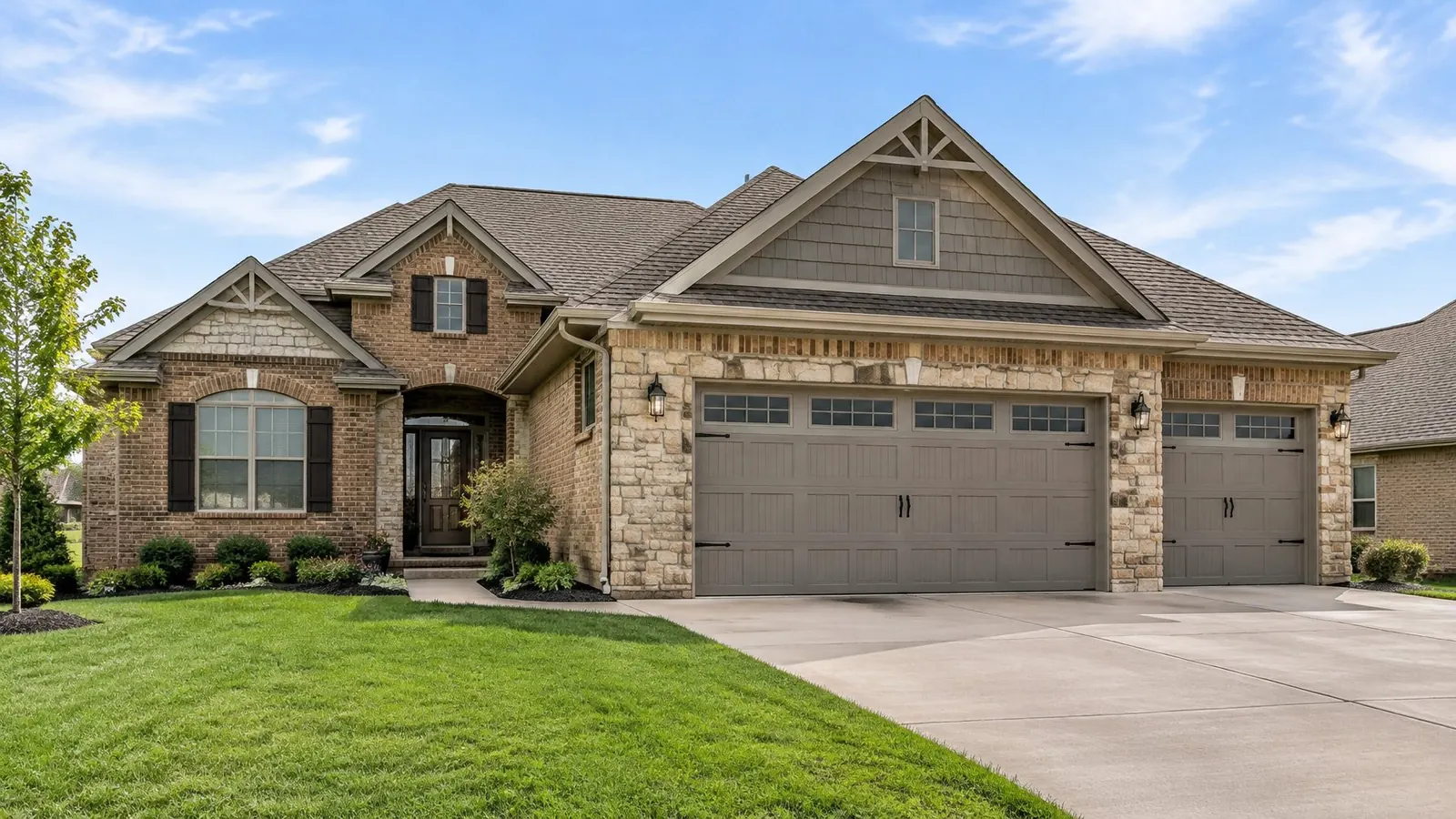
Do you need a new door?
One failed part can usually be repaired. Damaged panels, rusted sections, a warped frame or repeated failures often can't. A dented section may be hard to match or sold only as part of a whole door.
The repair or replace guide goes through the signs.
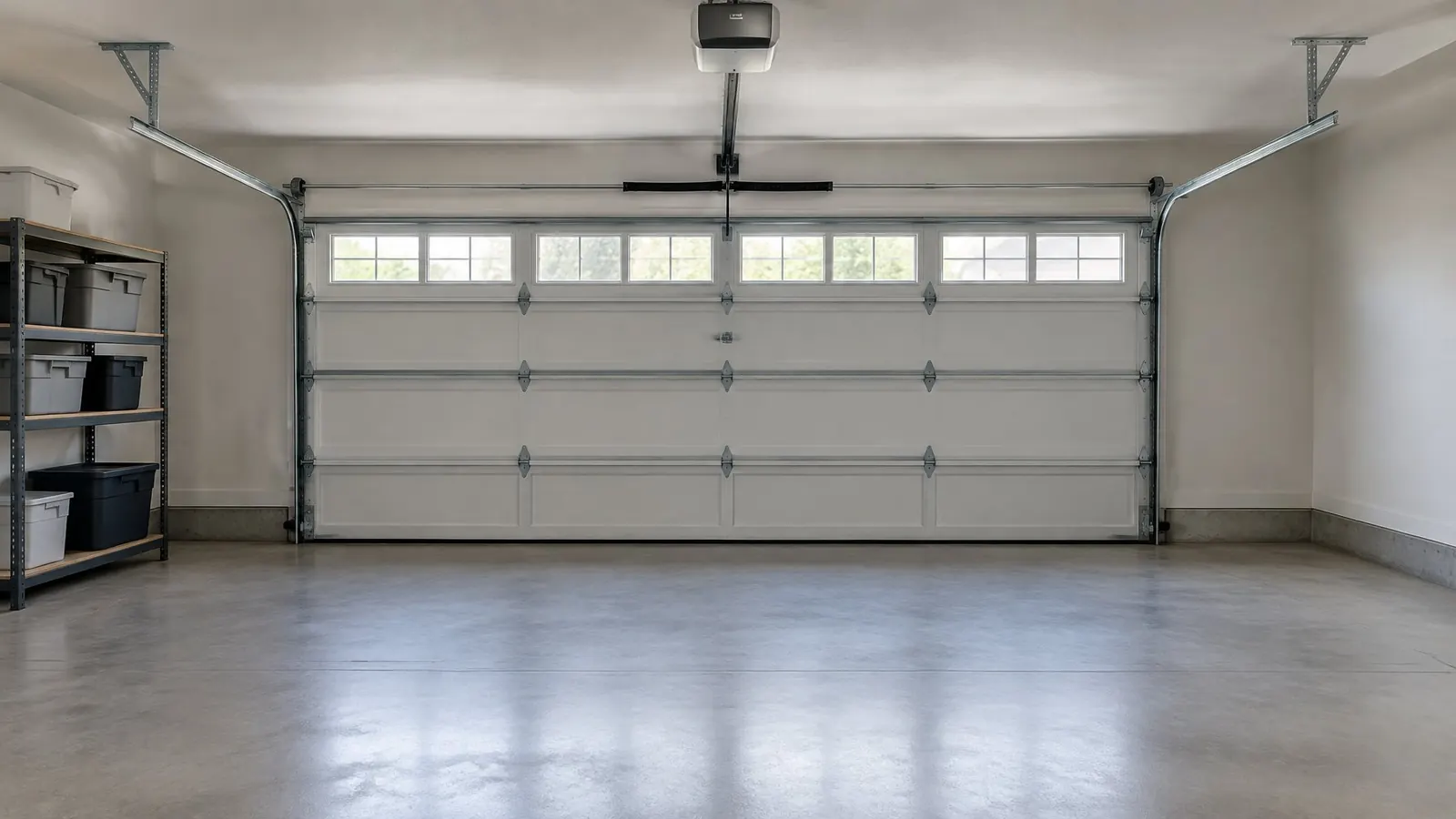
Measure first
Measure the width and height of the opening, the headroom above it and the space on each side. Headroom decides what track and spring can fit, so mention a low ceiling or a room above the garage.
A contractor will measure again before ordering. Your numbers help you describe the job on the phone.
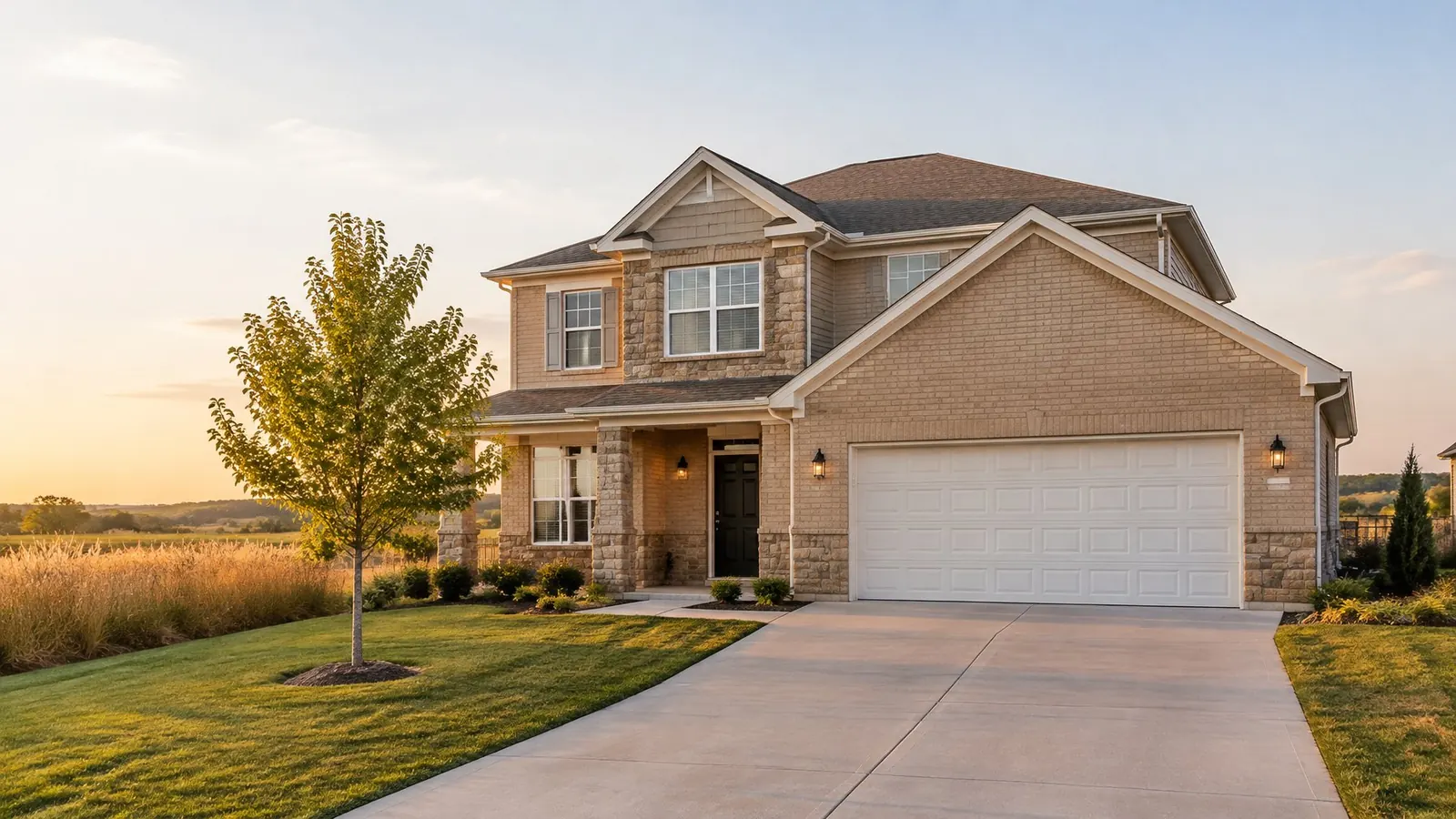
Material, insulation and windows
Steel, wood, composite and aluminum-and-glass doors differ in weight, how they take a dent and how much upkeep they need.
Insulated doors tend to run quieter and hold temperature better, which matters most if the garage is attached or sits under a bedroom. Windows add light, and also weight, which affects the spring.

Ask about wind
Lenexa's garage door installation guide gives 115 mph as the design wind speed for the Kansas City area and has the installer attach a label to the door stating it meets that load. The guide warns that a garage door failing in strong wind can lead to partial collapse of the house.
Other cities may handle this differently. Wherever you live, ask the contractor what wind load the door is built for and whether it comes with a label.
What to settle before you agree
What the price covers
The door, springs, hardware, removal of the old door and any permit. Get it in writing.
Timing
Some doors are stocked. Others are made to order and take longer, so ask which yours is.
Permit and license
Ask whether your city wants a permit and who takes it out. Ask which Johnson County license the contractor holds.
New springs
A new door should have springs matched to its weight. Ask if the plan is to reuse any old parts, and why.
Before you pay
The door should stay put when stopped halfway and run smoothly. With an opener connected, test it the way the Consumer Product Safety Commission describes: lay a 2x4 flat in the door's path. The door must reverse when it touches the board.
Questions about a new door
Do I have to replace the opener too?
Not always. An opener that runs well can often stay, though it may need adjusting for a different door weight. If it has no sensors near the floor, replace it.
Can I install a door myself?
Its springs are under tension, and a mistake can seriously injure you. Use a contractor. This site gives no installation steps.
Does my homeowners association have a say?
It may. If you have one, check its rules on color and style before you order.
Ready to talk to a contractor?
Your call goes to an independent contractor who works in this area. Say what the door is doing, ask what the price covers, and ask for license details before you agree to anything.